

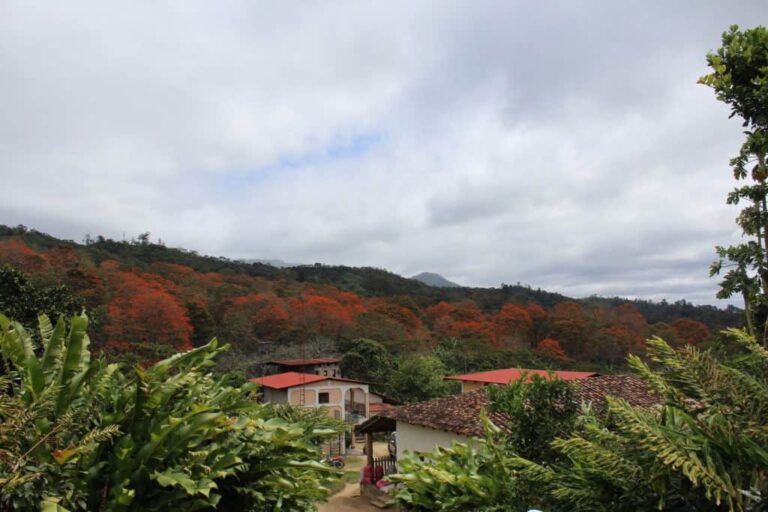
Central American Coffee: A Country-by-Country Guide
Central America packs a huge variety of coffee into a narrow strip of land. Volcanoes, high mountains and cloud forests give Guatemala, Honduras, Mexico, Nicaragua, El Salvador and Costa Rica some ...
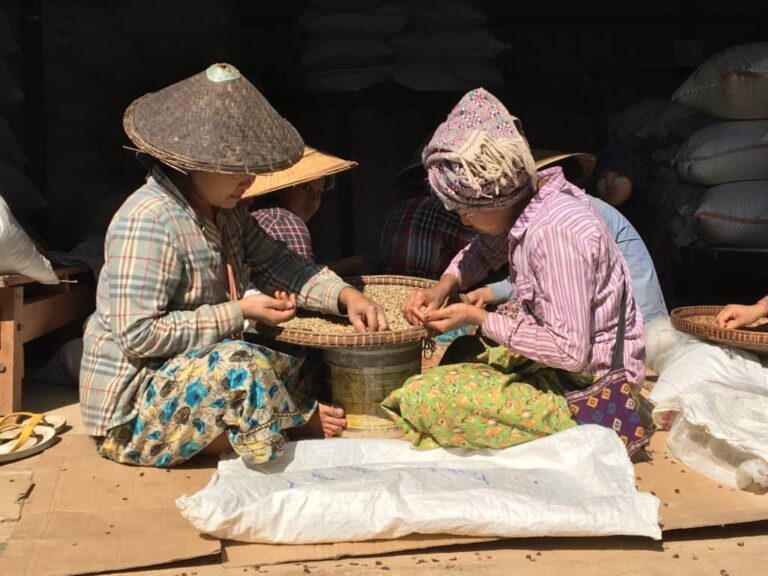
Asian and Pacific Coffee: A Guide to Sumatra, Papua New Guinea and Myanmar
Asia and the Pacific grow some of the world's most distinctive coffees. Sumatra is famous for heavy, earthy, chocolatey coffee; Papua New Guinea's highland smallholders produce sweet, fruity cups; ...
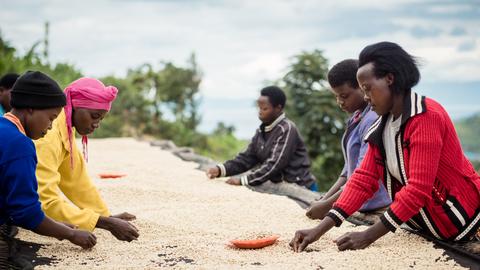
African Coffee: A Guide to Rwanda, Uganda, Tanzania and Malawi
Ethiopia and Kenya get most of the attention, but some of Africa's most exciting coffee comes from its smaller producers. Rwanda, Uganda, Tanzania and Malawi grow bright, fruity, sweet coffees high...
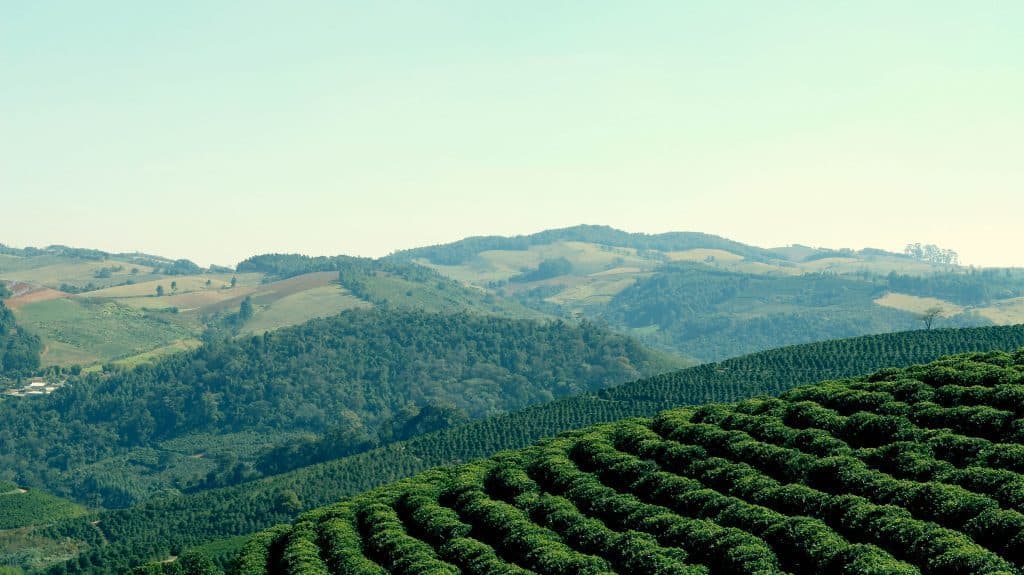
Kenyan Coffee: A Guide to AA Grades, SL28 and That Blackcurrant Flavour
Kenyan coffee is one of the easiest to recognise in the cup. It's bright and juicy, often with blackcurrant, grapefruit or tomato-like sweetness, and a lively acidity that makes it a favourite with...
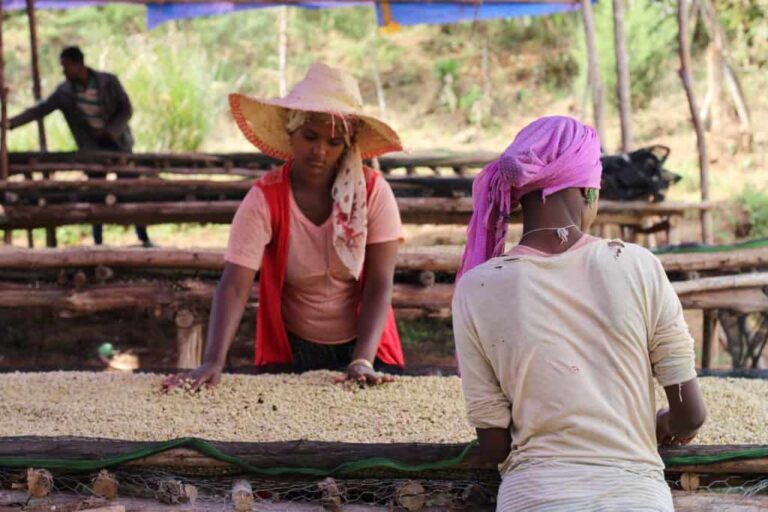
Ethiopian Coffee: A Guide to the Birthplace of Coffee
Coffee began in Ethiopia. Arabica still grows wild in the forests of the south-west, and the country produces some of the most floral, fruity and distinctive coffees in the world. Here's how to mak...
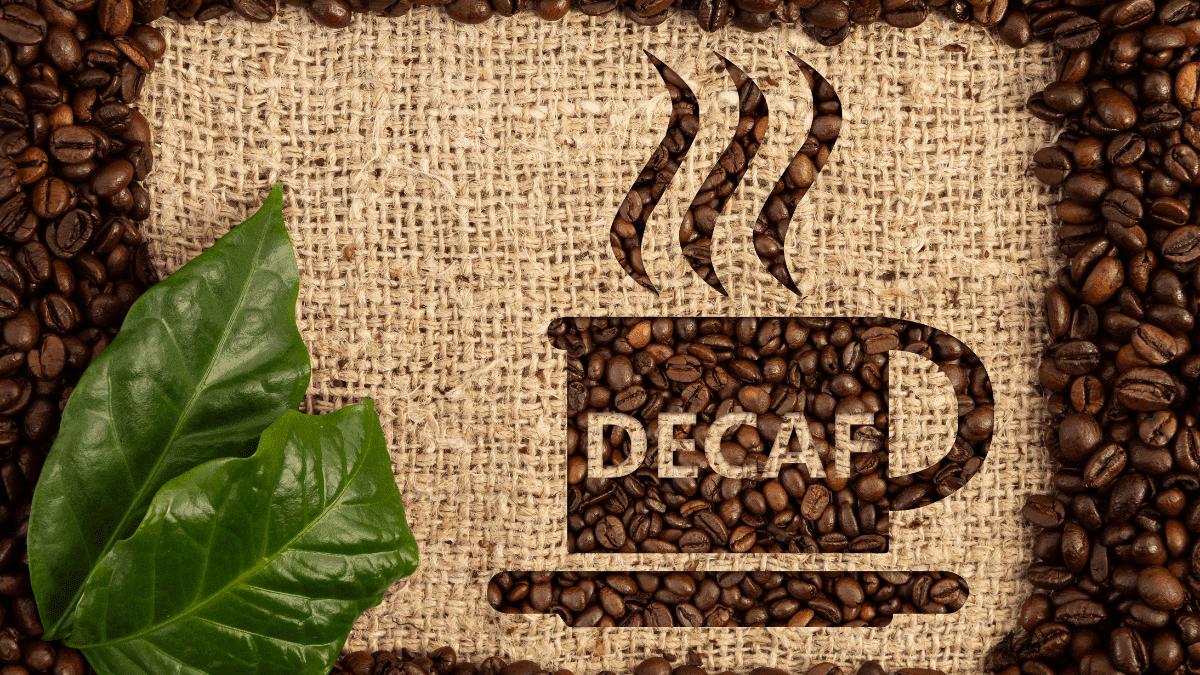
Decaf Coffee: How It's Made and How to Choose a Good One
Decaf has a bad reputation, and for years it was deserved: flat, papery coffee that tasted like an afterthought. But good decaf has come a long way. Made from quality beans, decaffeinated with care...
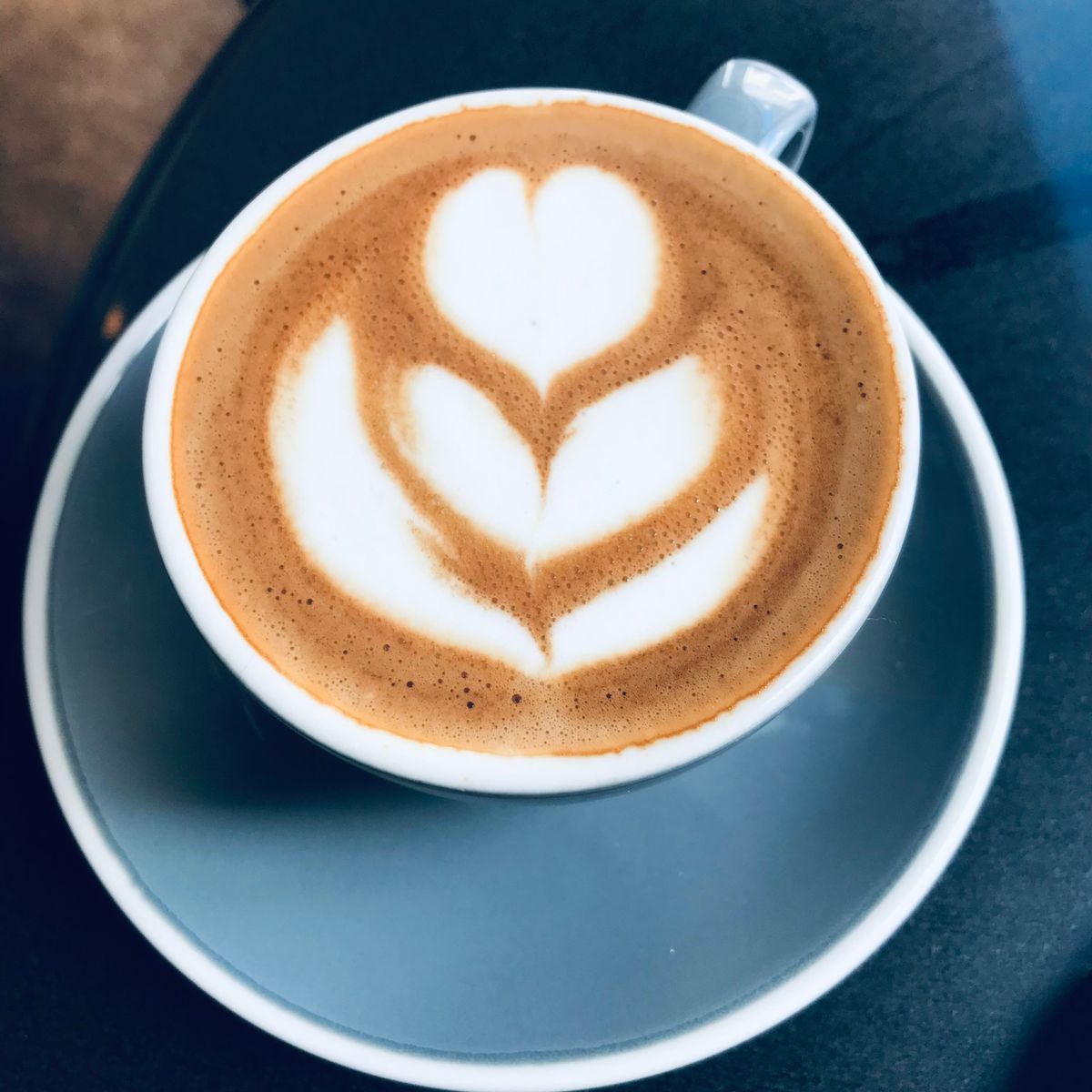
Flat White vs Latte: What's the Difference?
A flat white is smaller and stronger than a latte. Both are made with espresso and steamed milk, but a flat white has less milk and only a thin layer of silky microfoam, so the coffee comes through...
Let customers speak for us


Join the club
Get 15% off your first box, plus brewing tips and first looks at new roasters.