Coffee began in Ethiopia. Arabica still grows wild in the forests of the south-west, and the country produces some of the most floral, fruity and distinctive coffees in the world. Here's how to make sense of Ethiopian coffee, and the Ethiopian coffees that have been in our boxes.
The home of Arabica
Arabica coffee comes from the highland forests of south-west Ethiopia, around Kaffa and Jimma. Coffee is part of daily life there: the traditional coffee ceremony, where beans are roasted, ground and brewed in front of guests, is a sign of friendship and respect.

The main growing regions
- Yirgacheffe (Gedeo zone): famous for delicate, floral washed coffees with lemon, jasmine and bergamot.
- Guji: high, forested land producing bright, fruity coffees, both washed and natural.
- Sidama: a large region with sweet, balanced, often berry-toned coffees.
- Jimma and Kaffa: the south-west forest regions where wild coffee still grows.
- Harrar: the dry east, known for bold, fruity natural coffees.
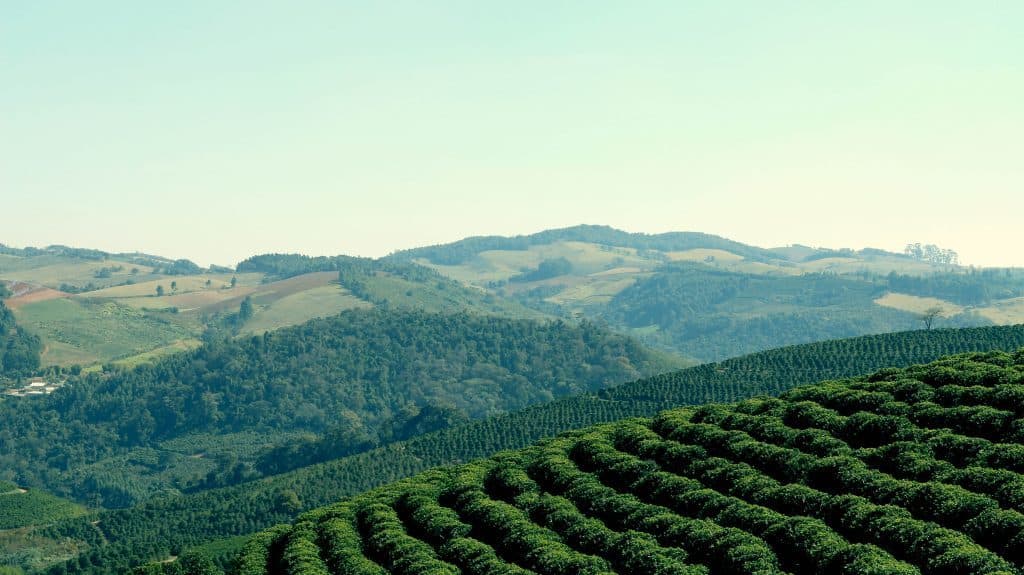
Most Ethiopian coffee grows between about 1,500 and 2,200 metres, often in the shade of other trees in small "garden" plots.
"Heirloom" varieties
You'll rarely see a single variety named on Ethiopian coffee. Instead it's called "heirloom" or "local landrace": a mix of thousands of native Arabica types, plus improved selections from local research centres. This genetic variety is part of why Ethiopian coffees can taste so different from one farm to the next.
Who grows it
Most Ethiopian coffee comes from smallholders farming a hectare or two. They deliver cherries to a local washing station, often run by a co-operative. Co-operatives are grouped into larger unions, such as the Yirgacheffe and Oromia coffee farmers' co-operative unions, which help with processing and export.
Washed or natural?
Ethiopian coffee is processed in two main ways, and they taste very different:
- Washed: the fruit is removed before drying. Expect a clean, light, tea-like cup with floral and citrus notes – jasmine, lemon, peach, bergamot.
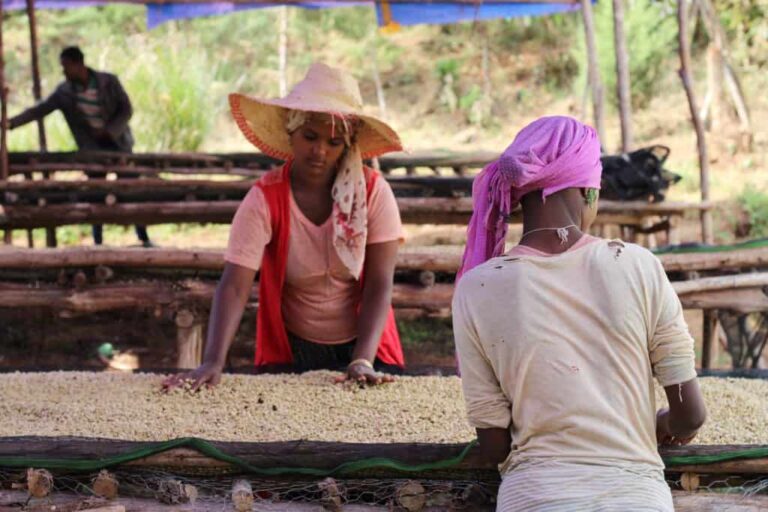
- Natural: the whole cherry is dried in the sun on raised beds for several weeks before the fruit is removed. Expect a fuller, sweeter cup with strawberry, blueberry and tropical fruit, sometimes with a wine-like "funk" that people either love or don't.


Ethiopian coffees that have been in our boxes
Layo Teraga (Guji)
From the Layo Teraga co-operative in the Uraga district of Guji, at around 2,200 metres, where about 500 farmers grow shade-grown garden coffee. Washed. Lemon-orange, nutty and cocoa notes with a hint of rose and a silky body. Roasted for us by Coffee Central.

Biloya (Gedeo, near Yirgacheffe)
From the Biloya co-operative in the Gedeo zone, with over 1,200 members. Heirloom varieties, washed and dried on raised beds. Peach, jasmine and black tea. Roasted for us by Coffee Central.

Kochere Debo (natural)
A natural coffee grown at 1,950–2,150 metres and dried in the cherry on raised beds for four to six weeks. Sweet caramel and toffee with blueberry and blackberry, and a gentle natural funk that splits opinion. Roasted for us by The Roasting Shed.

Hama (natural, Gedeo)
From the Hama co-operative, part of the Yirgacheffe Coffee Farmers' Co-operative Union. Sun-dried in the cherry on raised beds. A juicy, fruity, medium-bodied cup. Roasted for us by Monsoon Estates Coffee Company.

Uraga Samii #5 (Guji)
From a washing station in Uraga, Guji, where coffee grows in semi-forest on red clay soil with no pesticides. Washed. Complex and floral, with red grape, Earl Grey, peach and lemon. Roasted for us by Round Hill Roastery.


The Round Hill Roastery team
Nano Challa (Jimma)
From the Nano Challa co-operative in Jimma, at 1,850–2,100 metres. Washed, then dried on raised beds for around 10 days. Pomegranate, blackcurrant and orange blossom with a sparkling acidity.

How to brew Ethiopian coffee
Washed Ethiopian coffees are made for filter: a pour-over or AeroPress brings out the floral, tea-like delicacy. Naturals are more forgiving and great in a cafetière or as espresso. Start with 15g of coffee to 250ml of water just off the boil, and try it black first – you'll taste more of the fruit. See also our guide to Kenyan coffee, or meet our roasters.
Discover a new coffee every delivery
Get a different single-origin speciality coffee from the UK's top independent roasters, freshly roasted and 100% arabica. Choose whole beans or a grind for your brewer, including decaf. From £12.99 with free UK delivery, and you can skip a delivery, change your date or cancel anytime.