Decaf has a bad reputation, and for years it was deserved: flat, papery coffee that tasted like an afterthought. But good decaf has come a long way. Made from quality beans, decaffeinated with care and freshly roasted, it can taste every bit as good as regular coffee. Here's how decaf is made, how much caffeine is left, and how to choose a good one.

How much caffeine is in decaf?
Decaf isn't completely caffeine free. Decaffeination usually removes around 97% or more of the caffeine, and the best water-based methods claim 99.9%. That leaves a few milligrams in a typical cup, compared with roughly 80–100mg in a mug of regular filter coffee.
So decaf is a good choice if you love the taste of coffee but want to cut down, drink coffee in the evening, or are avoiding caffeine for health reasons. If you're cutting down, our post on caffeine headaches explains why going gradually helps, and what happens when you take your first sip explains how caffeine works in the body.
How decaf coffee is made
Coffee is always decaffeinated while the beans are still green, before roasting. The beans are soaked or steamed to open them up, the caffeine is drawn out, and then the beans are dried and sent to the roaster. The difference between methods is what's used to remove the caffeine.
Swiss Water Process
This method uses only water. Green beans are soaked in a water solution that is already full of coffee's flavour compounds but has no caffeine. Because that water can't hold any more flavour, only the caffeine moves out of the beans, and it's then filtered out with charcoal. The company behind it says it removes 99.9% of the caffeine, and it's chemical free.
Mountain Water Process
A similar water-based method, carried out in Mexico by a company called Descamex, using water from Pico de Orizaba, Mexico's highest mountain. It's popular for Mexican and Central American coffees.
Sugarcane (ethyl acetate) process
Here the beans are soaked in water and ethyl acetate, a compound that occurs naturally in fruit and is made from fermented sugarcane. It's widely used in Colombia. Many roasters like it because it keeps a coffee's sweetness and acidity well.
CO2 process
Highly pressurised carbon dioxide is used to pull the caffeine out of the beans. It's effective and gentle on flavour, and is mostly used for large volumes of coffee.
Solvent process
The oldest commercial method uses a solvent called methylene chloride, which is then washed and roasted away. It's cheap and quick, but many speciality roasters prefer the other methods. Blue Coffee Box doesn't feature any solvent-process decafs: most of our roasting partners use the Swiss Water or sugarcane methods.
Why good decaf tastes better than it used to
Decaf used to be made from low-quality beans that had often sat around for too long before roasting. Speciality roasters now choose high-quality green coffee for decaf, use gentler processes and roast it fresh, just as they do their other coffees.
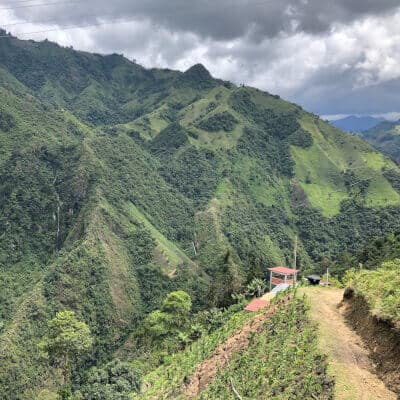
One of our favourite decafs was a Mexico Chiapas Turquesa, grown by smallholders in the mountains of Chiapas and decaffeinated with the Mountain Water Process. It had a sweet, nutty flavour with a hint of grape and a milk chocolate aroma. We've also sent a Swiss Water decaf from the Sol y Café co-operative in Peru, which you can read about in our South American coffee guide.
How to choose a good decaf
- Check the process. Good roasters say on the bag how their decaf was made. Swiss Water, Mountain Water and sugarcane are all good signs.
- Look for a roast date. Like any coffee, decaf tastes best within a few weeks of roasting. See how long coffee stays fresh.
- Look for an origin and tasting notes. A single-origin decaf with proper tasting notes is a sign the roaster has taken it seriously.
- Brew it like regular coffee. Decaf beans are a little more porous, so they can brew slightly faster. If it tastes bitter, try a slightly coarser grind.
Decaf in your Blue Coffee Box
When you choose your coffee subscription, just pick Decaf as your roast and we'll send a different freshly roasted speciality decaf from one of our independent UK roasters each time. If you share your coffee with someone who drinks both, choose Half and half on The Box: one bag of decaf and one of regular coffee.
Discover a new coffee every delivery
Get a different single-origin speciality coffee from the UK's top independent roasters, freshly roasted and 100% arabica. Choose whole beans or a grind for your brewer, including decaf. Free UK delivery, and you can skip a delivery, change your date or cancel anytime.