Coffee doesn't really "go off" in the way milk does, but it does go stale. Freshly roasted coffee is at its best for a few weeks, and ground coffee loses its flavour much faster. Here's how long coffee stays fresh, why brand-new coffee needs a short rest, and how to store it so every cup tastes its best.

How long do coffee beans stay fresh?
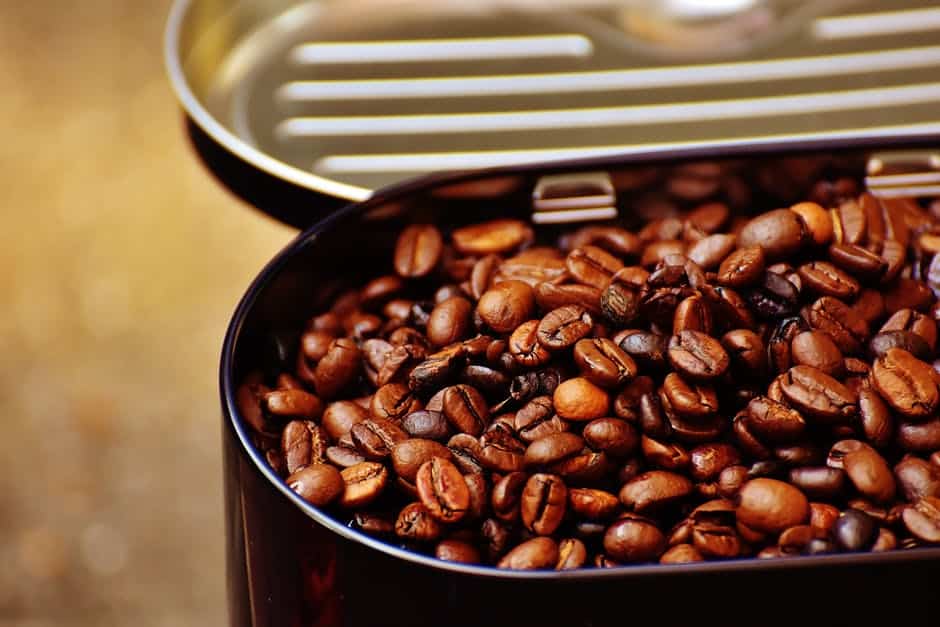
Whole beans are at their best from a few days after roasting until around four to six weeks after the roast date. After that they're still safe to drink, but the aroma and flavour gradually fade and the coffee starts to taste flat and woody.
That's why the most useful date on a bag of coffee is the roast date, not a best-before date. Most speciality roasters print it on every bag. If a bag only shows a best-before date a year or more away, you've no way of knowing how fresh the coffee is.
How long does ground coffee stay fresh?
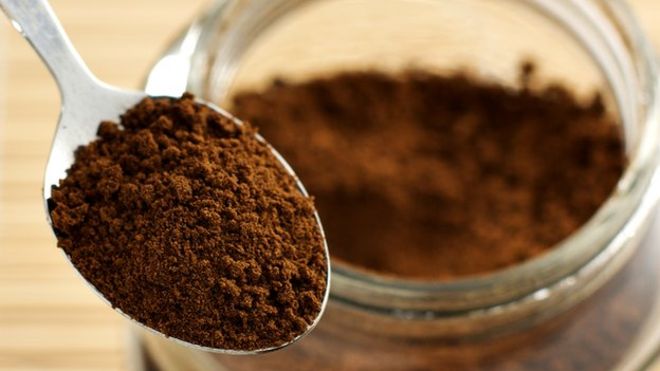
Once coffee is ground, far more of it is exposed to the air, so it goes stale much faster. Ground coffee is best used within a week or two of opening. If you can, buy whole beans and grind just before you brew. Not sure which to choose? Here's our guide to buying beans or ground coffee.

Why fresh coffee needs to rest
Straight out of the roaster, coffee isn't quite at its best. Roasting creates carbon dioxide inside the beans, and they release it over the following days. This is called degassing. If you brew coffee that's still full of gas, the bubbles get in the way of the water and the coffee can taste sharp or uneven.
How long to rest coffee depends on the roast and how you brew it. As a rough guide, filter coffee is usually good to go after a few days, and espresso often tastes better after a week or so. Speciality roasters take this into account, so coffee from a good roaster is normally ready to brew when it arrives.

What about supermarket coffee?
Much of the coffee on supermarket shelves is roasted long before you buy it and is packed to last for months. It isn't unsafe, but it's rarely fresh, which is why it often tastes flat or bitter and needs milk and sugar to help it along. Buying from an independent roaster, or a coffee subscription, is the easiest way to get coffee within weeks of roasting.
How to store coffee
Air, light, heat and moisture are what make coffee go stale. To keep it fresh:
- Keep it in its bag, squeezed flat and sealed, or in an airtight container.
- Store it somewhere cool, dark and dry, like a cupboard, away from the oven.
- Don't keep it in the fridge. It picks up moisture and smells from other food.
- Buy little and often, so you finish each bag while it's at its best.
Read more in our guide to the best way to store coffee.

Can you freeze coffee?
Yes, if you have more beans than you can use in the next few weeks. Split them into small, airtight portions, freeze them straight away, and take out one portion at a time. Let it come to room temperature before opening, so condensation doesn't form on the beans, and don't put it back in the freezer once it's thawed.
How to tell if coffee is stale
Use your nose. Fresh coffee smells rich and inviting as soon as you open the bag. Stale coffee smells faint, dusty or like cardboard, and it brews a flat, dull cup. It won't make you ill, but it won't taste of much either. The only exception is coffee that's got damp or shows any sign of mould: throw that away.
The simple rule
Look for the roast date, rest it for a few days, and aim to finish whole beans within about a month of roasting. Grind just before you brew, and keep the bag sealed in a cool, dark cupboard.
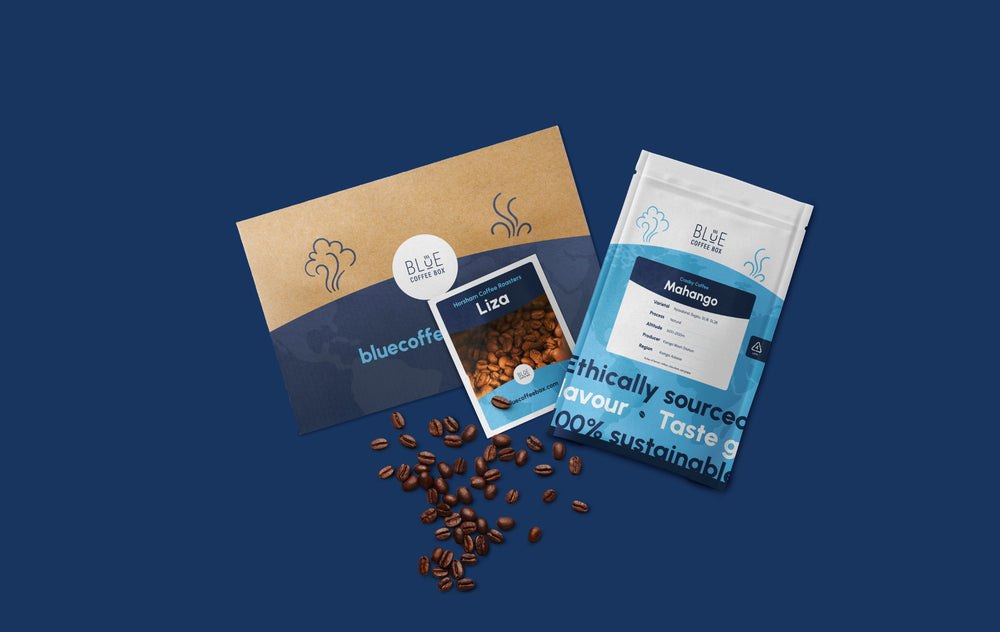
Discover a new coffee every delivery
Get a different single-origin speciality coffee from the UK's top independent roasters, freshly roasted and 100% arabica. Choose whole beans or a grind for your brewer, including decaf. Free UK delivery, and you can skip a delivery, change your date or cancel anytime.