For thousands of years, people have made tea into something more than a drink. Monks, emperors and everyday families have all built rituals around it, and many of them are still going strong. Here are six of our favourite tea ceremonies from around the world, and what makes each one special.
1. Japan: chado, the way of tea

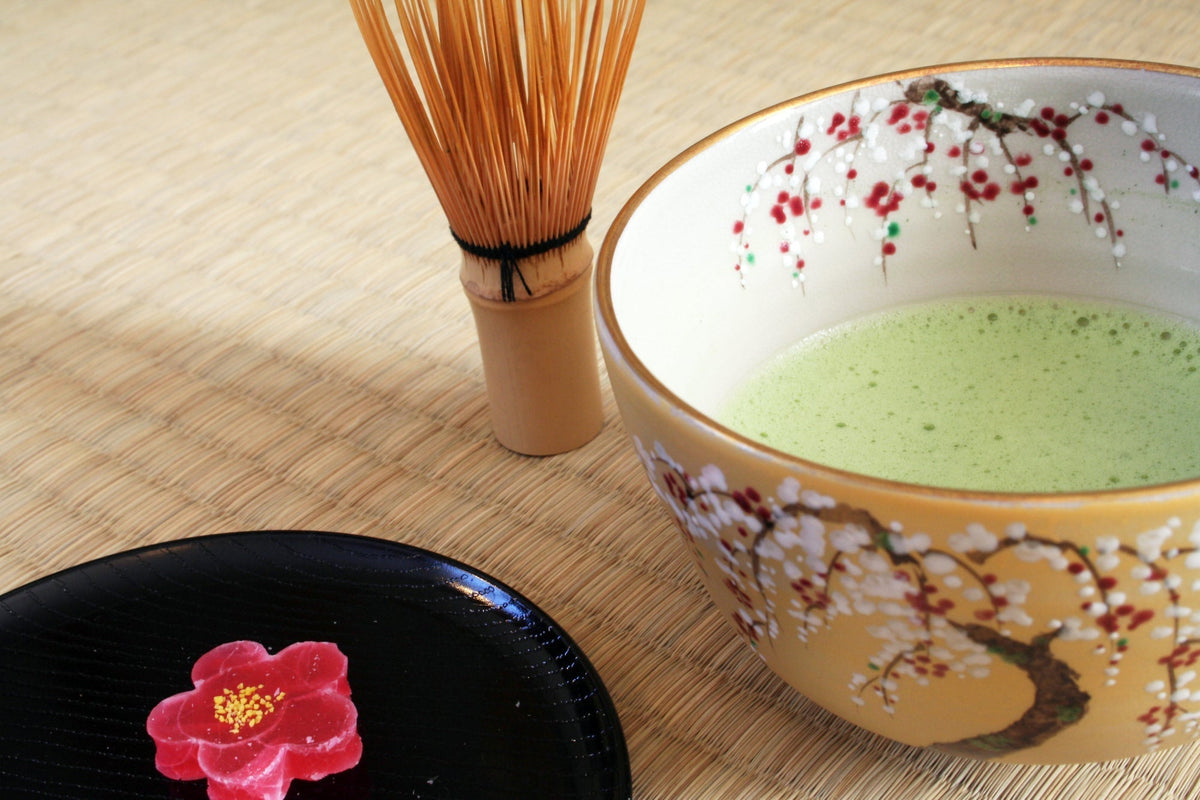
The Japanese tea ceremony, known as chado or chanoyu, is probably the most famous in the world. It's deeply rooted in Zen Buddhism and built around four principles: harmony, respect, purity and tranquillity. Guests kneel on tatami mats in a simple tea room while the host prepares matcha, powdered green tea, with slow, precise movements.
There are two styles of matcha. Usucha is thin tea, used for shorter and more casual gatherings. Koicha is thick tea, served at a full formal ceremony, which can last up to four hours. Small traditional sweets called wagashi are served before the tea, to balance its bitterness.
2. China: gongfu cha
Gongfu cha means "making tea with skill". Tea is brewed in a small Yixing clay teapot or a lidded bowl called a gaiwan, using lots of leaves and very short brews. Each brew is poured into a small pitcher, then shared out into tiny cups, and the same leaves are brewed again and again, with the flavour changing each time.
Gongfu cha is especially suited to oolong and pu-erh teas. It draws on Buddhist and Taoist ideas: slowing down, paying attention and sharing. Read more about the origins of oolong tea.
3. Iran: sweet tea and nabat
In Iran, tea (chai) is at the heart of hospitality. It's usually brewed strong in a teapot kept warm on top of a kettle or samovar, then poured into small glasses and topped up with hot water to the drinker's taste.
Because the tea is strong, it's often drunk with sugar: traditionally, a sugar cube held between the teeth while you sip. Many people prefer nabat, saffron-tinted crystals of rock sugar on a stick, stirred into the glass. Dates, dried mulberries and raisins are often served alongside.
4. Turkey: tulip glasses and the çaydanlık

A Turkish saying goes that conversation without tea is like a night sky without the moon. Turkish tea is brewed in a çaydanlık, a double teapot: water boils in the bottom pot, and strong tea brews in the smaller pot on top. Each guest can then have their tea as strong or as weak as they like, by mixing the two.
It's served in small tulip-shaped glasses, so you can see its deep red colour, usually with two sugar cubes on the side. In eastern Turkey, some people drink it kıtlama style, with a sugar lump held in the mouth, much like in Iran.
5. Russia: the samovar and zavarka

In Russia, tea ends almost every get-together, and turning down a cup from your host is considered rude. Tea is made as zavarka, a very strong concentrate brewed in a small teapot that sits on top of a samovar. Each person pours a little zavarka into their glass and tops it up with hot water from the samovar.
Tea is always served with something sweet: jam, honey, gingerbread, biscuits, waffles or baranki, small crunchy bread rings.
6. Taiwan: Wu-Wo, the tea of equality

The Wu-Wo tea ceremony is a more modern tradition from Taiwan. Its name means "no self", and it's built on the idea that everyone taking part is equal. Each guest brings their own tea and teaware, sits in a large circle and brews in silence, then serves tea to the people beside them, so that everyone gives and everyone receives.
Taiwanese tea culture is also known for aroma cups: tall, narrow cups used to smell the tea before it's poured into a drinking cup.
Bring a little ceremony home
You don't need special equipment to make tea a ritual. Take a few minutes, use good loose leaf tea, and pay attention to how it smells and tastes. Our guides to brewing the perfect cup of loose leaf tea and the British tradition of afternoon tea are a good place to start.
Discover new teas every time
A Blue Coffee Box tea subscription brings rare and single-origin loose leaf teas through your letterbox, with a free infuser in the first box. From £9.99 with free UK delivery, and you can skip or cancel anytime.