Tea is the UK's most popular drink, and there's plenty of research into what it does for your health. Here are 10 benefits of drinking tea, with an honest look at what the evidence shows.
By "tea" we mean true tea from the Camellia sinensis plant: black, green, white and oolong. Herbal and fruit teas are made from other plants, so they're mentioned separately below.
Top 10 health benefits of drinking tea
1. Tea is linked with better heart health
Large observational studies have linked drinking a few cups of black or green tea a day with a lower risk of heart disease and stroke. They show an association rather than proof that tea is the cause, but the findings have been fairly consistent.
2. Tea is full of antioxidants
Tea is rich in polyphenols, plant compounds that act as antioxidants. Green tea is especially high in catechins, and black tea in theaflavins. Research into whether they help prevent disease is ongoing and the results so far are mixed, so enjoy tea as part of a healthy diet rather than as a cure.

3. Tea has less caffeine than coffee
The NHS puts a mug of tea at about 75mg of caffeine, compared with about 140mg for a mug of filter coffee. Most herbal and fruit teas have no caffeine at all.
4. Tea can help you feel alert and focused
Tea contains caffeine and an amino acid called L-theanine. Studies suggest the combination can help with alertness and attention, without the jitters some people get from strong coffee.

5. Tea keeps you hydrated
Despite the caffeine, tea counts towards your daily fluids. The NHS includes tea and coffee in the 6 to 8 glasses of fluid it recommends each day.
6. Tea is almost calorie-free
Without milk or sugar, a cup of tea has almost no calories. Swapping a sugary drink for an unsweetened cup of tea is an easy way to cut sugar.

7. Tea is kinder to teeth than sugary drinks
Tea naturally contains some fluoride, and unsweetened tea doesn't have the sugar that fizzy drinks do. The one downside is that black tea can stain teeth over time.
8. Herbal teas can be soothing after a meal
Many people find peppermint tea soothing after a big meal, and ginger tea is a popular choice when you feel queasy. These are herbal teas rather than true tea, and most are caffeine-free.
9. A warm cup of tea is comforting when you have a cold
Tea won't prevent or cure a cold, but a hot drink can soothe a sore throat, and it helps you keep your fluids up while you recover.

10. Tea gives you a moment to slow down
Some of the benefit is simply the ritual: boiling the kettle, waiting for the tea to brew and taking a few minutes for yourself. That's hard to measure, but most tea drinkers would tell you it's real.
Why loose leaf tea tastes better
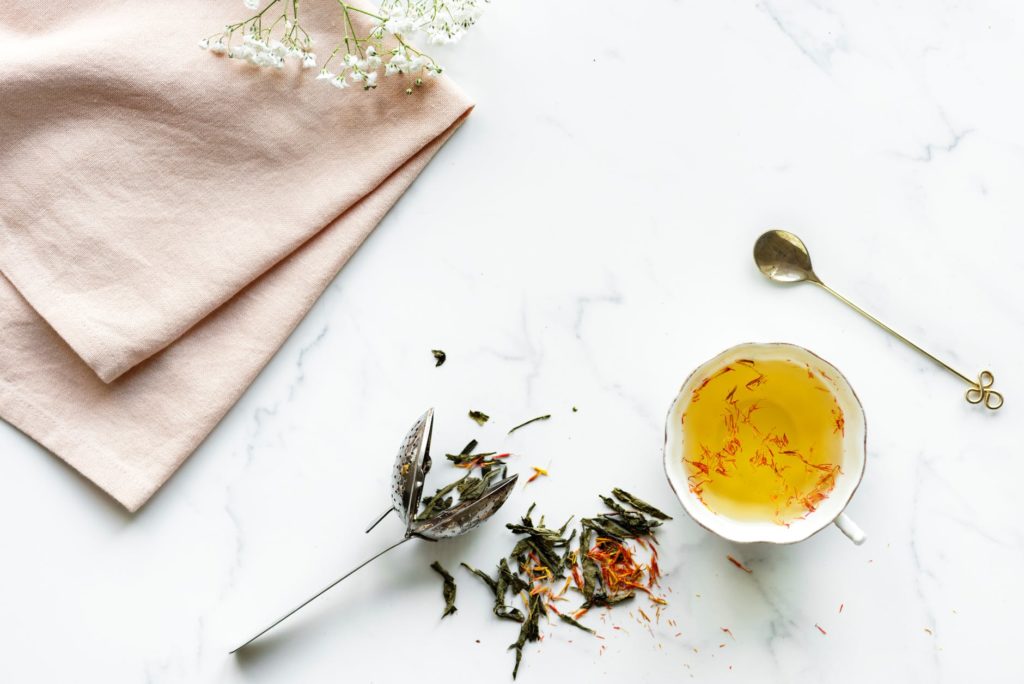
The real difference between quality loose leaf tea and a teabag is the size of the leaf. Most teabags hold tiny broken pieces, known as fannings and dust, which brew quickly but give a flatter cup. The larger pieces in loose leaf tea have room to open up in the water, and you'll be amazed at how much they grow as they release their flavour. Try it once and you'll taste the difference.
How much tea is too much?
The European Food Safety Authority says up to 400mg of caffeine a day is fine for most healthy adults, which is roughly 5 mugs of tea. If you're pregnant, the NHS advises no more than 200mg of caffeine a day. Tannins in tea can also reduce how much iron you absorb from plant foods, so if that's a concern, drink tea between meals.
For more on black tea, read the benefits of black tea.
Discover new teas every time
A Blue Coffee Box tea subscription brings rare and single-origin loose leaf teas through your letterbox, with a free infuser in the first box. From £9.99 with free UK delivery, and you can skip or cancel anytime.