Black tea is the UK's favourite brew, from a builder's cup of English breakfast to a pot of Earl Grey. So what is black tea actually good for? Here's what the research says, and what it doesn't.
What is black tea?
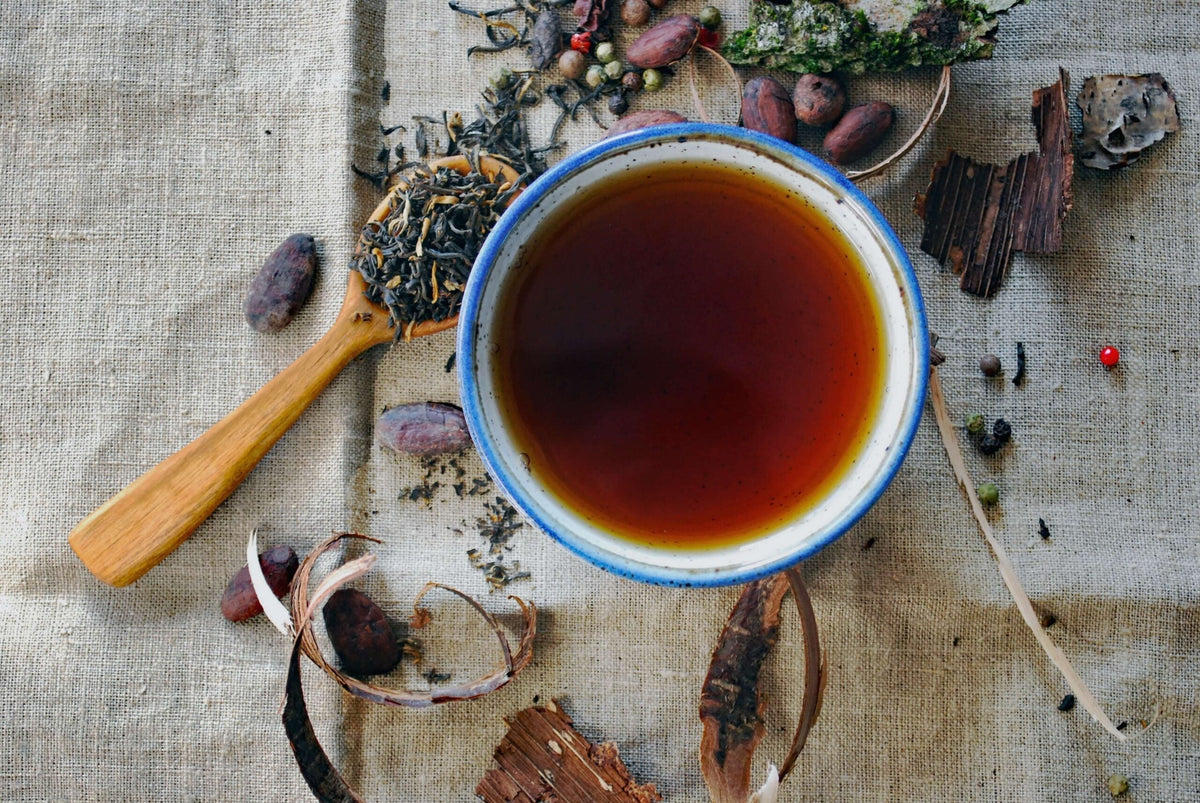
Black tea comes from the same plant as green and white tea, Camellia sinensis. The difference is in the processing: the leaves are fully oxidised, which turns them dark and gives black tea its rich, malty flavour. Famous black teas include Assam, Darjeeling and Ceylon, named after the regions of India and Sri Lanka where they're grown.
The benefits of black tea
It helps you feel alert and focused
Black tea contains caffeine, which helps you feel more awake. It also contains an amino acid called L-theanine. Studies suggest the two together can help with alertness and focus, which may be why a cup of tea feels less jittery than a strong coffee.
It has less caffeine than coffee
The NHS puts a mug of tea at about 75mg of caffeine, compared with about 140mg for a mug of filter coffee. That makes black tea a good middle ground if you want a lift without too much caffeine.
It's rich in polyphenols
Black tea is full of plant compounds called polyphenols, including theaflavins, which form when the leaves are oxidised and give black tea its colour. Polyphenols are antioxidants, and they're one of the main reasons researchers are interested in tea.
It's linked with better heart health
Large observational studies have linked drinking a few cups of tea a day with a lower risk of heart disease and stroke. These studies show an association rather than proof that tea itself is the cause, but the findings have been fairly consistent.
It counts towards your daily fluids
Despite the caffeine, tea still hydrates you. The NHS includes tea and coffee in the 6 to 8 glasses of fluid it recommends each day.
It's almost calorie-free
Without milk or sugar, a cup of black tea has almost no calories. A splash of milk adds a little. Swapping a sugary drink for an unsweetened cup of tea is an easy win.
It's a moment to slow down
Some of the benefit is simply the ritual: boiling the kettle, waiting for the tea to brew and taking a few minutes for yourself. That's hard to measure, but most tea drinkers would tell you it's real.
Anything to watch out for?
- Caffeine: the European Food Safety Authority says up to 400mg of caffeine a day is fine for most healthy adults. If you're pregnant, the NHS advises no more than 200mg a day.
- Iron: tannins in tea can reduce how much iron you absorb from plant foods. If that's a concern, drink tea between meals rather than with them.
- Stains: like coffee and red wine, black tea can stain teeth over time.
How to brew a better cup of black tea
Use one teaspoon of loose leaf tea per cup with water at 90 to 100°C, and brew for 3 to 5 minutes. Brew for less time if you like it lighter, or longer if you take milk.
The biggest difference between quality loose leaf tea and a teabag is the size of the leaf. Most teabags are filled with small broken pieces, while our loose leaf teas use much larger pieces of leaf. Put them in hot water and you'll be amazed at how much they open up and grow as they release their flavour. It's almost miraculous, and once you've tried it, you'll understand why the taste is so much better.
Not sure where to start? Try our loose leaf black teas, from Blue Tea Breakfast No. 1, our classic English breakfast blend of Assam and Ceylon, to smoky Lapsang Pines.
Discover new teas every time
A Blue Coffee Box tea subscription brings rare and single-origin loose leaf teas through your letterbox, with a free infuser in the first box. From £9.99 with free UK delivery, and you can skip or cancel anytime.