You can buy great coffee and still end up with a disappointing cup if the grind is wrong. The grind controls how quickly water pulls flavour out of the coffee, so it matters as much as the beans themselves. Here are the most common mistakes, and how to avoid them.

1. Using the wrong grind size for your brewer
This is the big one. Fine coffee extracts quickly and coarse coffee extracts slowly, so each brewer needs its own grind:
| Brewer | Grind | Looks like |
|---|---|---|
| Cafetière (French press), cold brew | Coarse | Sea salt |
| Filter machine, pour-over | Medium | Sand |
| AeroPress | Medium-fine | Between sand and table salt |
| Espresso machine, moka pot | Fine | Table salt or finer |
| Turkish coffee | Extra fine | Flour or icing sugar |
How to tell if it's wrong: coffee that tastes sour, thin or weak is usually under-extracted, so grind finer. Coffee that tastes bitter and harsh is usually over-extracted, so grind coarser.
2. Using a blade grinder
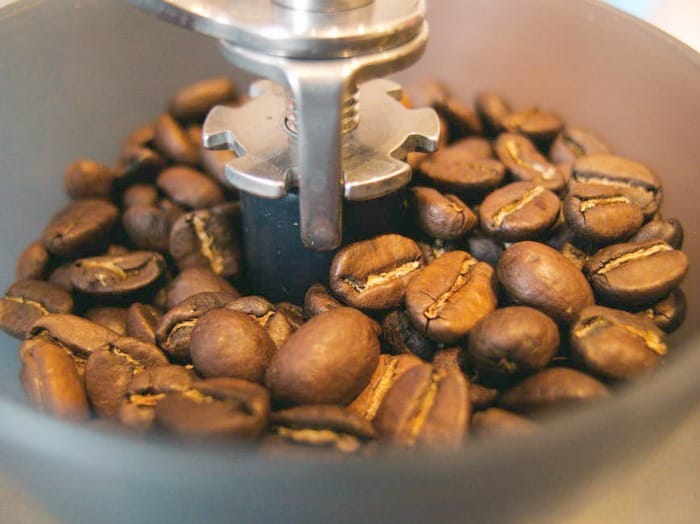
Blade grinders chop beans unevenly, leaving a mix of dust and chunks. The dust over-extracts and turns bitter while the chunks under-extract and taste sour. A burr grinder crushes the beans between two burrs to an even size, and it's the single best upgrade for home coffee.

3. Grinding too early
Coffee starts losing its aroma as soon as it's ground. Grind just before you brew, ideally while the kettle is boiling.
4. Grinding too much at once
Only grind what you need for the brew you're making. Ground coffee left in the grinder or a tub for days goes stale fast.
5. Using stale beans
Even a perfect grind can't rescue old coffee. Use beans within a few weeks of their roast date and store them airtight. Here's how to store coffee to keep it fresh.

6. Getting the ratio wrong
If your coffee tastes weak, you may not be using enough of it, rather than grinding too coarse. A good starting point is about 55 to 60g of coffee per litre of water, or two level tablespoons per mug. Our guide to how much ground coffee to use explains more.
7. Never cleaning your grinder
Coffee oils and old grounds build up in the burrs and turn rancid. Brush out your grinder regularly and give it a deeper clean every few weeks, following the maker's instructions.
Don't have a grinder?
You can still enjoy great coffee. Buy freshly ground coffee in the right grind for your brewer, in small amounts, and use it within a couple of weeks. Here's how to choose between beans and ground coffee.

Discover a new coffee every delivery
Get a different single-origin speciality coffee from the UK's top independent roasters, freshly roasted and 100% arabica. Choose whole beans or a grind for your brewer, including decaf. Free UK delivery, and you can skip a delivery, change your date or cancel anytime.